
Behind-the-Ear vs In-the-Canal Hearing Aid Styles
When choosing hearing aids, one of the first decisions is whether to use a

By: admin | February 20, 2026
When you hear someone talking, your ears are just the starting point. They catch the sound waves and send signals up to your brain, but your brain does the real work. It sorts through all the incoming noise, filters out what doesn’t matter, identifies words, assigns meaning and lets you respond.
All of that happens in seconds, and when your hearing is working well, it feels automatic.
You don’t think about the processing. You just hear and understand. But your brain is running through a complex series of steps every single time someone speaks to you or a sound registers around you.
When hearing starts to decline, those signals coming from your ears aren’t as clear or complete as they used to be. Your brain still has to make sense of them, but now it’s working with partial information.
That means more guessing, more effort, more mental resources spent on something that used to happen without thought. You might not realize your brain is working overtime until you notice you’re exhausted after a long conversation or you can’t focus on other tasks because listening took everything you had.
That tiredness makes sense when you know what’s happening. Your brain is using more energy to process sound. Once you understand that, you can see why hearing affects your energy levels and focus throughout the day, not just whether you heard someone correctly.
Your ears and brain form a team to help you make sense of the world around you. The ears collect sound waves, and the brain interprets what those sounds mean.
Here’s how this process works:
When hearing loss starts, the brain adjusts how it processes sound. Some areas may become less active because they are not getting as much information from the ears.
Some changes that can happen include:
One key link between hearing loss and the brain is how memory can be influenced. When you struggle to hear, your brain has to work overtime to fill in missing pieces during conversations or when listening to sounds. This extra work can take away from your brain’s ability to remember what was said.
It can become more difficult to keep track of details or recall information from conversations. You might notice that remembering names, dates or instructions is harder when you are also trying to focus on understanding speech. This highlights the importance of clear hearing for supporting memory and mental sharpness.
Hearing is a key part of how you communicate and build relationships. When you hear clearly, it is easier to follow conversations, respond at the right time and share your thoughts.
Missing parts of words or sentences can make it tough to keep up during group talks or family gatherings. This may lead to feeling left out or less connected with others. Good hearing helps you stay involved in conversations and enjoy time with friends and loved ones.
Hearing is important for more than just communication. It helps you stay aware of your surroundings. Sounds like alarms, sirens or someone calling your name alert you to important events or possible dangers. When hearing loss makes these sounds harder to notice, you may miss warnings or signals that keep you safe.
You might find it more difficult to react quickly in certain situations, like crossing the street or responding to emergency signals at home or work. Using hearing devices and staying aware of changes in your hearing can help improve awareness and support your safety each day.
Conversations take a lot more work when you aren’t hearing clearly. Your mind spends all its energy just trying to piece together the sounds, which doesn’t leave much room to actually remember what was said.
You might leave a lunch with friends feeling totally wiped out because you were working so hard just to follow along.
It often feels like your memory is failing, but the reality is that the information never really stuck in the first place. You have a much easier time keeping up when you aren’t exhausted from guessing every other word.
Dialing in on a particular subject can be much harder when you have untreated hearing loss. Your brain has to work extra hard just to understand what people are saying or what is happening around you. This extra effort can leave you feeling tired and make it difficult to stay focused, especially in busy places.
You may notice that you get distracted more easily or miss important details during conversations. Good hearing helps your brain focus better, which supports both learning and staying involved in activities you enjoy.
Hearing loss can quietly change the way you feel without you even noticing at first. Struggling to follow conversations or missing pieces of what people say can leave you feeling frustrated or worn out. This can make you pull back in social situations or avoid gatherings because keeping up feels like too much effort.
You may also notice other changes in your emotions. Feeling more stressed after talking with others, sensing loneliness when you can’t fully participate or losing confidence in group settings are all common. These shifts can affect daily life, from how you interact with family and friends to how comfortable you feel at work or social events.
When you have hearing loss, your brain must work much harder to fill in missing sounds and understand speech. This can leave you feeling mentally tired after conversations or time spent in noisy places. Mental fatigue makes it harder to focus, remember details or enjoy social activities.
While making an effort to hear helps you stay engaged and not miss important information, the downside is feeling more worn out and sometimes wanting to avoid group situations.
If you have been noticing that it is harder to remember details or stay focused, your hearing could be part of the reason. When sounds are harder to hear or voices are unclear, your brain has to work harder to fill in the gaps. That extra effort can make it more difficult to concentrate or retain information, even if the issue seems purely mental at first.
It is worth talking with an audiologist if you find memory lapses or trouble paying attention happening more often, especially in places with background noise.
Situations like a busy restaurant, a family gathering or a meeting at work can make these challenges more obvious. If voices sound muffled, parts of conversations are missing or you have to ask people to repeat themselves, these are signs to get your hearing checked.
An audiologist can evaluate your hearing and help you understand whether changes in focus or memory might be linked to hearing loss.
They can explain what your results show and give you context for what’s happening, so you can see the connection between what you hear and how your brain is processing it.
Small changes in your hearing can affect more than just what you hear. When the brain has to work harder to figure out muffled or missing sounds, it can leave you feeling mentally tired and make it harder to focus on other things.
Detecting hearing loss early helps your brain process sound normally and keeps daily thinking from becoming more difficult than it needs to be.
Early detection can help support your brain in several ways:
Hearing aids do more than make sounds louder. They make listening feel easier. When you can hear words and background sounds clearly, your brain does not have to work as hard to figure out what people are saying.
Conversations are less tiring, and it is easier to stay part of the discussion. This mental ease can help you focus on what is happening around you instead of getting worn out by trying to keep up.
Using hearing aids keeps your mind active. With regular access to sound, your brain continues to process speech, tones and environmental noises naturally. This helps with memory, concentration and thinking through daily tasks.
People often notice that they can follow conversations more easily, remember details better and feel less drained after social interactions.
Starting treatment early can make a difference in daily life. Hearing clearly helps you participate in activities and stay involved with friends and family without extra effort. It also supports your thinking and memory by giving your brain the input it needs to keep working effectively.
When your brain has to work harder just to make sense of sounds, it can leave you feeling drained without you even realizing why. Conversations can feel tiring, following along in a group can take extra effort and even everyday tasks may demand more focus than before.
Our team can help you see what’s really happening with your hearing and what it means for daily life. Whether your hearing is changing or still within normal range, we can give you a clear picture and help you notice what to monitor moving forward.
You can reach out to us at Space City Audiology in Houston, Texas at (281) 809-6008 to schedule a hearing check and learn more about how your ears and brain work together.
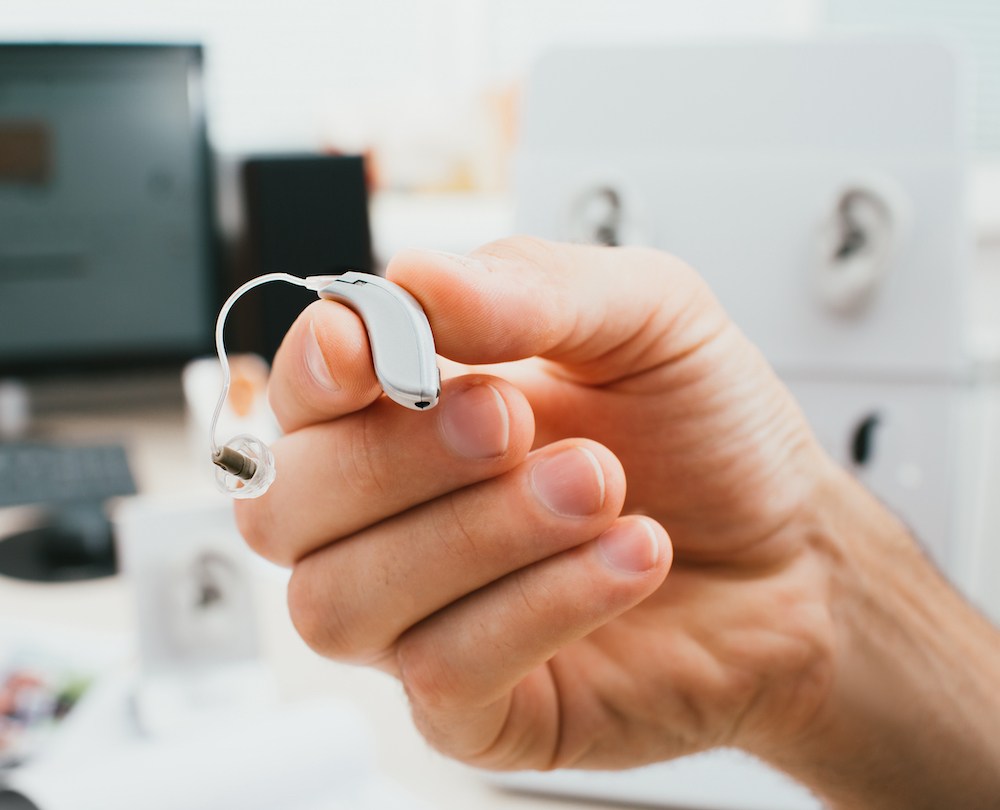
When choosing hearing aids, one of the first decisions is whether to use a
By: admin | May 2, 2026

Restaurants are one of the hardest listening environments most people
By: admin | April 22, 2026
When you hear someone talking, your ears are just the starting point. They
By: admin | February 20, 2026