
When choosing hearing aids, one of the first decisions is whether to use a style that rests behind the ear (BTE) or one that fits in the canal (ITC). Both types improve hearing, but they feel different when worn throughout the day.
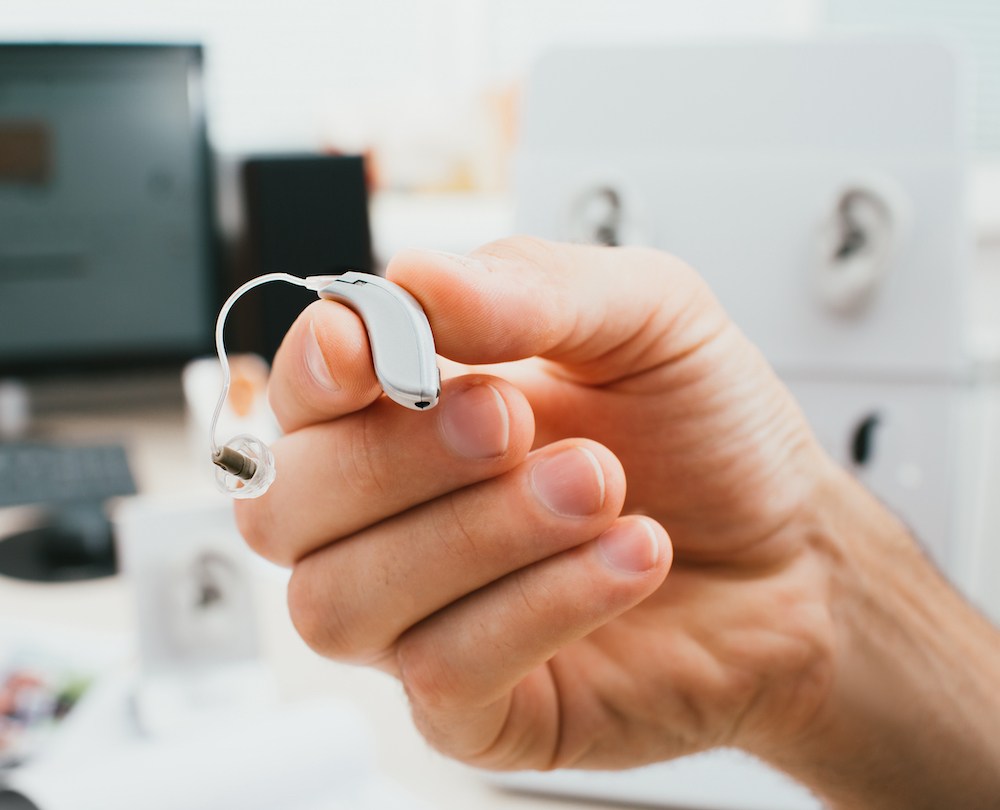
Comfort matters since you will be wearing the devices during conversations, meetings or watching TV at home. The right choice depends on your hearing needs, daily activities and personal preferences.

Knowing the differences between the different hearing aid styles can help you select a pair that fits naturally into your routine.

How Do Hearing Aids Work?

Hearing aids work by amplifying sounds so your ears and brain can process them more easily.

They pick up noises from your environment, make them louder and deliver them in a way that matches your hearing needs. This helps make speech clearer and everyday sounds easier to follow without extra effort.

Both behind-the-ear and in-the-canal styles achieve these results, but they feel different in daily use. Behind-the-ear models can be easier to adjust, while in-the-canal styles are more discreet.

The style you choose doesn’t change how the devices process sound, but it can affect comfort and convenience. Knowing how they work and how they fit into your routine can help you find a pair that suits your lifestyle.

How Each Style Supports Different Levels of Hearing Loss

Different hearing aid styles are designed to support varying levels of hearing loss. Behind the ear models are often recommended for mild-to-profound hearing loss because they can provide a wider range of amplification and flexibility.

Their larger size allows for more features and stronger output when needed. This can make them a practical option for individuals who require more support in challenging listening environments.

In-the-canal styles are typically suited for mild-to-moderate hearing loss. Because they are smaller and sit in the canal, they may not offer the same level of amplification as behind-the-ear devices.

However, they provide clear, effective sound for many individuals. Choosing the right style depends on the degree of hearing loss as well as comfort and personal preference.

Comfort and Fit Differences Between BTE and ITC Devices

Comfort and fit are important factors when choosing between behind-the-ear and in-the-canal hearing aids. Behind-the-ear devices sit on the outer ear with a small piece placed inside the ear canal.

Many people find this style easier to handle and adjust, especially if they prefer something that feels simple to remove. If you wear glasses, you may need a short adjustment period to get used to how both sit on your ear.

In-the-canal devices are custom-made to fit directly inside your ear canal, which makes them less visible and more compact. Because they are shaped to match your ear, they can feel more secure.

Their smaller size may require a bit more attention when inserting or cleaning them. Choosing between the two often comes down to which style feels most comfortable during your everyday activities.

How Visibility and Appearance Can Guide Your Hearing Aid Choice

Visibility and appearance can be important considerations when choosing between hearing aid styles. Behind-the-ear models are more visible because part of the device rests on the outer ear.

Some people are comfortable with this design and value its practicality, while others prefer a less noticeable option. Your comfort with how the device looks can influence how confident you feel wearing it each day.

In-the-canal hearing aids fit inside the ear, making them less visible in many settings. This can appeal to individuals who prefer a more discreet appearance at work or in social situations.

While appearance should be weighed alongside performance and comfort, it remains a personal factor in the decision-making process. Selecting a style that aligns with your preferences can support consistent, everyday use.

Lifestyle Work and Hobbies That Affect Which Hearing Aid Style Fits You

Your daily routine, work environment and hobbies can all influence which hearing aid style makes the most sense for you.

If you have an active job, spend time outdoors or frequently move between different sound settings, a behind-the-ear model may offer durability and easier handling. On the other hand, if you work in a setting where discretion is important or prefer a device that feels less noticeable during meetings or social events, an in-the-canal style may feel more suitable.

Activities like wearing helmets, using headphones or talking on the phone regularly can also affect comfort and convenience. Thinking through how and where you spend your time can help you choose a style that fits naturally into your everyday life.

Questions to Ask Your Audiologist When Choosing Between These Styles

When deciding between behind-the-ear and in-the-canal hearing aids, it helps to come prepared with thoughtful questions for your audiologist. You might ask which style best matches your level of hearing loss, how each option will perform in the environments you spend the most time in and what kind of maintenance is required.

It is also useful to discuss comfort, ease of handling and how each style may fit with glasses, phones or other daily accessories. Asking clear, practical questions allows you to compare your options and choose a device that supports both your hearing needs and your routine.

Choosing The Hearing Aid Style That Fits Your Life Best

As you weigh your options, it helps to think about how each style will fit into everyday life. Moving through different listening situations, from quiet mornings at home to busy conversations in public, shows how much the way a device feels can matter.

Considering comfort, visibility and how easily the controls can be managed makes it easier to compare options. Paying attention to these details helps build confidence in the choice you make.

Ultimately, the goal is not just to pick a style, but to find a solution that supports daily activities and communication. Focusing on what feels comfortable and works well in typical environments makes the decision clearer.

If you want to learn more about the differences in hearing aids or have questions, schedule an appointment with an audiologist. They will be able to help you find the right choice for your specific needs.